
Future Nation Schools calls for greater focus on the quality of children’s first formal year of education ahead of 2027
Johannesburg, September 2026 – South Africa has spent years asking whether children are ready for school. As Grade R becomes part of the country’s compulsory schooling framework, an equally important question is whether schools are ready for the child.
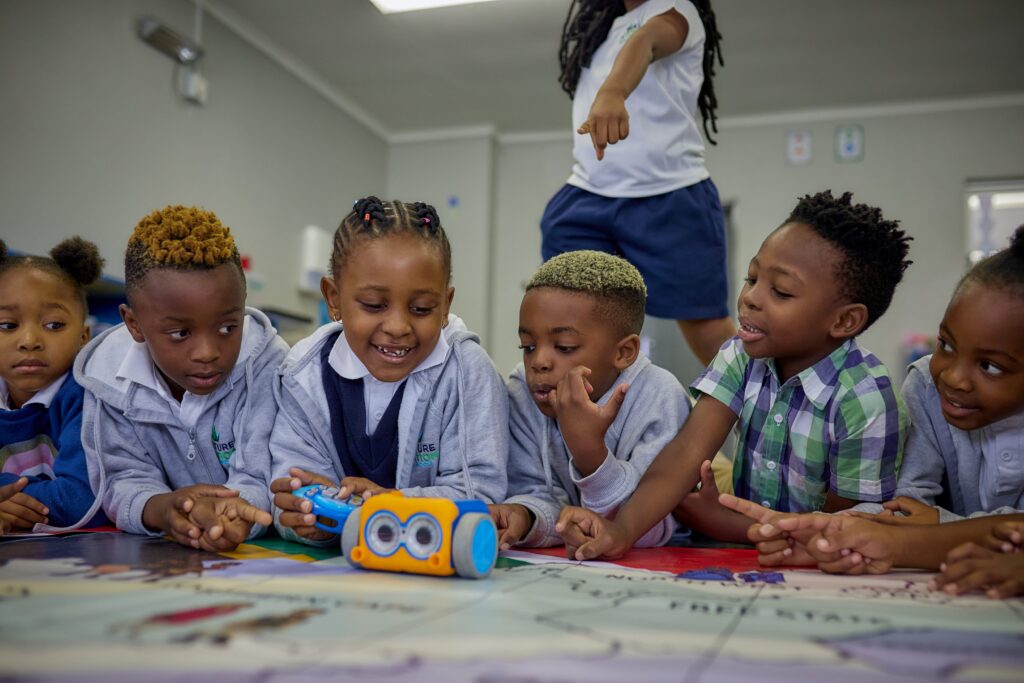
Grade R is often viewed primarily as preparation for Grade 1, with emphasis on recognising letters and numbers, following instructions and developing early language and numeracy skills. While these foundations remain important, children also need opportunities to develop confidence, curiosity, communication, problem-solving and the ability to persist when learning becomes challenging.
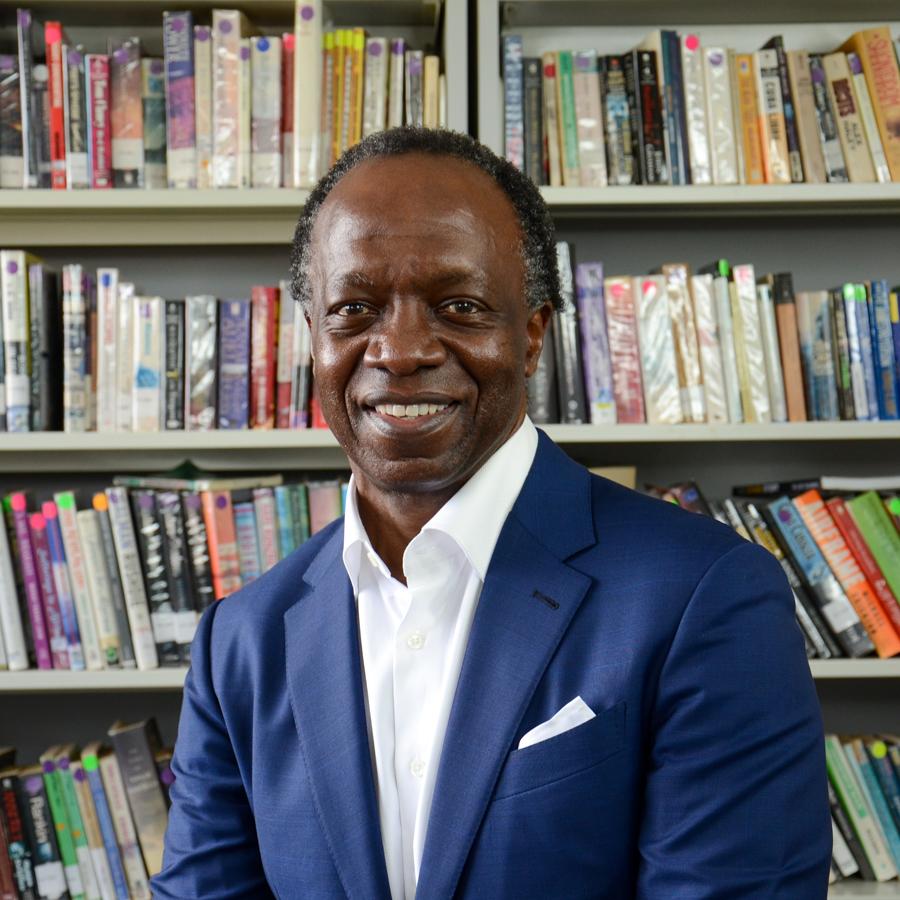
“Education should never simply be about preparing a child for the next grade. It must prepare young people to think, adapt and contribute meaningfully to the world around them,” says Sizwe Nxasana, Group CEO of Sifiso Learning Group and founder of Future Nation Schools.
The question of quality has become increasingly important following the incorporation of Grade R into South Africa’s compulsory schooling framework under the Basic Education Laws Amendment (BELA) Act. A Department of Basic Education evaluation found that attending Grade R had a positive effect on later language and mathematics performance, although the impact varied across schools.
For Nxasana, the findings reinforce the need to consider what children experience in the classroom from the beginning of their formal schooling journey.
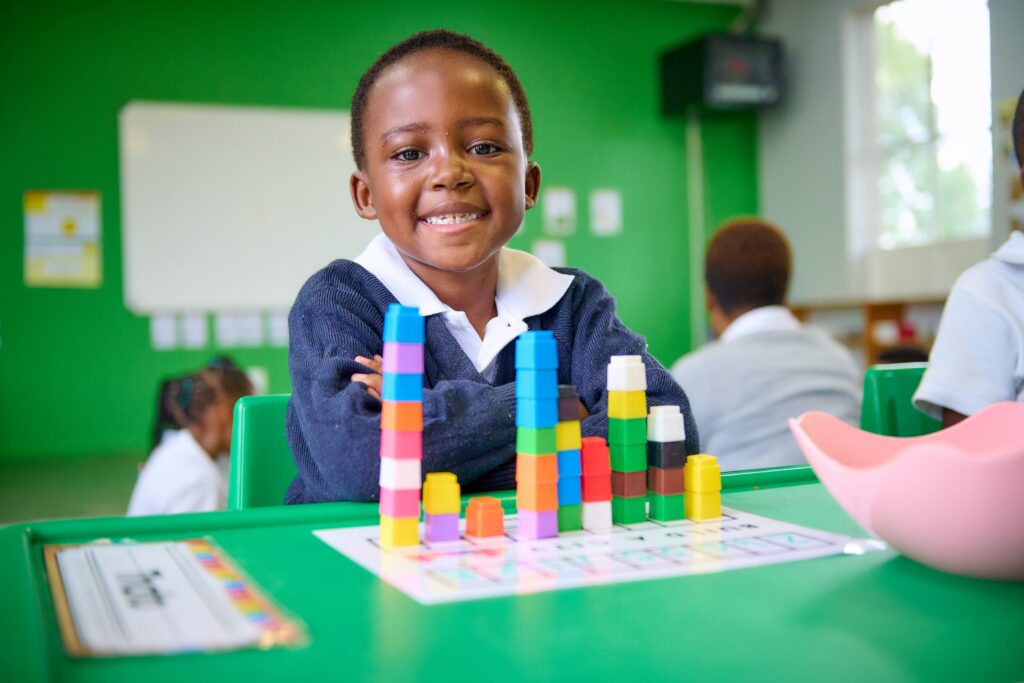
“Grade R is where we can begin nurturing those capabilities. Children are naturally curious. The challenge for education is to build on that curiosity as they move into more structured learning, rather than gradually teaching them to wait for the right answer,” he says.
The need to develop these foundations is also becoming more pressing as technology and artificial intelligence reshape how people work and access knowledge. While schools cannot predict every career today’s Grade R learners will enter, they can help children develop the ability to learn, adapt, question and apply knowledge to unfamiliar situations.
“We cannot predict every career that will exist or every challenge this generation will have to solve,” says Nxasana. “What we can do is develop young people who know how to learn, who are confident enough to question and who can use what they know to solve problems.”
Future Nation Schools takes an African-centred approach that combines the South African CAPS curriculum with Project-Based Learning and technology, with foundational academic skills developed alongside curiosity, communication and problem-solving.
As the 2027 school year approaches, greater attention is being placed on what children experience during their first formal year of schooling and whether it provides the foundations they need for the years ahead.
Future Nation Schools’ “Start Right, Start Now” campaign encourages parents considering Grade R for 2027 to look closely at the learning environment, teaching approach and values that will shape their child’s educational journey. Future Nation Schools will host an Open Day on 17 October 2026 at its Fleurhof and Lyndhurst campuses in Johannesburg, giving parents an opportunity to learn more about its approach to Grade R.


